
Addictions
Addiction is defined as ‘a chronic brain disorder;’ it is characterized by a compulsion to find and use a substance, or engage in a behaviour, despite knowing how harmful it is. An addiction isn’t caused by a lack of willpower or bad decisions; addiction changes the structure and chemistry in your brain making it difficult to stop the addictive substance or behavior. It isn’t always obvious that you’re dealing with an addiction, and it takes time to accept that you need help. Often there’s an incident that triggers a call for help, a fight, DUI, or divorce. Here at The Story Isn’t Over we have therapists who specialize in addictions; they provide a safe place to talk about your concerns.

Anxiety
Feeling worried or fearful occasionally is normal, especially when facing an important decision or major life event; but when the fear makes it too difficult for you to do what you want to do, such as go to school, or triggers repeated unhealthy behavior, such as frequently visiting the doctor, it is time to get some help. Whether you are experiencing generalized anxiety, panic attacks, phobias, or other forms of anxiety, our therapists are here to help. They understand these symptoms and can provide you with effective strategies to help you manage and reduce anxiety, enabling you to regain control over your life. Reach out to The Story Isn’t Over for the help you need, when you need it.

Autism Spectrum Disorder
Autism Spectrum Disorder (ASD) is a developmental and neurological condition affecting how individuals communicate, interact, learn, and behave. Symptoms typically emerge by age two but vary widely in type and severity, giving ASD its “spectrum” label. Common challenges include difficulties with social interaction, restricted interests, repetitive behaviors, and sensory sensitivities. While the exact causes are unknown, genetics and environmental factors may play a role. Early diagnosis and intervention are crucial to improving outcomes. People with ASD often have unique strengths, such as detailed learning and excelling in areas like math, music, or art. ASD affects all genders, races, and backgrounds. At The Story Isn’t Over we have therapists who are skilled in working with ASD and can help you and your family build the life you want.

Eating Disorders
Eating disorders change the way a person thinks about food, and their relationship with food. It can include restricting how much they eat, avoiding certain foods, eating a great deal all at once, and vomiting or using laxatives or exercising to flush the food or calories from their body. There are different types of eating disorders, such as anorexia, bulimia and binge eating. Eating disorders often require specialized treatment, and often people who are struggling with an eating disorder are also dealing with another mental health condition, such as a mood disorder, anxiety, obsessive-compulsive disorder, or substance use issues. At The Story Isn’t Over, we provide therapy to complement specialized treatment programs, supporting individuals on their journey to recovery from eating disorders.

Grief & Bereavement
There are three types of grief: anticipatory grief, normal grief and complicated grief. Anticipatory grief occurs before your loved one dies, as you anticipate the pain of losing them. Normal grief begins after they die, it includes numbness, shock and disbelief, anger at the person who has died or at others, sadness, and guilt. Symptoms of normal grief usually become less frequent and less severe within 6 months to 2 years. Complicated grief is when your symptoms don’t improve and go on for a long time. If you have lost someone, or some aspect of your life, and are grieving, please reach out to us at The Story Isn’t Over. We provide specialized services to support those who are grieving.

Identity, Self Esteem & Self-worth
Self-worth is the belief that you are a valuable person who deserves respect and kindness. It deeply influences your mental well-being and relationships. Building self-worth with the help of a therapist can make it easier to handle life’s challenges and improve your interactions with others. Self-esteem reflects how you see and value yourself, including your confidence in your abilities and morals. When self-esteem is low, it can lead to feelings of unworthiness and lack of motivation. Improving self-worth and self-esteem takes time and effort. At The Story Isn’t Over we have therapists who can help develop effective, lasting strategies to strengthen your self-esteem and support your mental health.

Life Transitions
Life transitions, whether joyous or challenging, can feel overwhelming and disorienting. At The Story Isn’t Over, we help individuals navigate these changes with clarity and resilience. Transitions disrupt normalcy and bring emotions like grief, fear, and uncertainty. They unfold in three phases: letting go, navigating the in-between stage, and embracing rebirth. Our therapists provide a safe space to process emotions, develop coping skills, and discover new possibilities. Seeking support during transitions fosters healing, growth, and connection. Every ending is a new beginning—your story isn’t over. Let us guide you toward a future filled with hope and transformation.

Mood & Behavior
It’s normal to feel down from time to time, but if those feelings last for more than a couple of weeks and you are having trouble sleeping, struggling to concentrate at work or are increasingly irritable with the people you love, it might be time to talk to someone. These are all symptoms of depression. Depression is a mood disorder; other mood disorders include bipolar disorder, seasonal affective disorder, and postpartum depression. If you think you might be struggling with a mood disorder, talk to us at The Story Isn’t Over, we can help you understand what you're experiencing and explore treatment options so you can feel better and get back to living your life.

Obsessive Compulsive Disorder
Obsessive Compulsive Disorder (OCD) is characterized by reoccurring and intrusive thoughts (obsessions) and repetitive compulsive behavior (compulsions). OCD can range from mild to severe; the more severe the symptoms are, the more it impacts a person’s life. When the symptoms of OCD are severe it can become difficult to function, getting dressed, taking a shower, and leaving the house can become insurmountable. The best treatment for OCD combines Cognitive Behavioural Therapy (CBT), and medications prescribed by a doctor. Medications alone are not enough to treat the illness. OCD can be treated; intrusive thoughts and compulsive behaviour can be reduced so that you can live your best life. At The Story Isn’t Over we have therapists who can support you on your journey.

Parenting
Parenting can be deeply rewarding and give us great joy; it can also be one of the most difficult jobs we ever take on. Kids are all different; they come with unique gifts, abilities, and challenges. Parents all have their own beliefs and opinions about the best way to parent. Often parents disagree about how to parent their kids; they fight, undermine each other, and swing from one end of the parenting spectrum to another. Many parents are raising kids with physical, emotional, behavioral and mental health challenges, which demands a great deal of them. At The Story Isn’t Over we have therapists who specialize in supporting parents; we can help you.

Personality Disorder
A personality disorder is a way of thinking, feeling, and behaving, that is significantly different from our cultural norms and expectations. Often terms like ‘narcissist’ and ‘borderline’ get thrown around as labels or descriptions of other people’s behavior, and usually without any real understanding of what these terms mean. There are 10 types of personality disorders; and the only professional who can formally diagnose a personality disorder is a psychiatrist. Personality disorders begin to show up in adolescents and early adulthood, they are influenced by the person’s experiences, environment, and inherited characteristics. At The Story Isn’t Over we have therapists who can help you; with the right help you can maximize your health and create a full and meaningful life.

Psychosis
Psychosis is a mental health condition that occurs when someone has difficulty distinguishing between what is real and what isn’t. They may see or hear something that isn’t there, such as seeing somebody in the room that no one else can see or hearing a voice that no one else can hear. They may express a belief that other people know isn’t true, for example, believing that someone is trying to hurt them. Psychosis may be a symptom of another illness, for instance severe depression or bipolar disorder. Psychosis can be triggered by a substance, including marijuana or alcohol; it can also be triggered by a traumatic event. At The Story Isn’t Over we provide specialized psychotherapy to support individuals and families impacted by psychosis.

Relationship Issues
It is human nature to seek companionship; to long to be accepted, respected and loved. And as humans we don’t always get it right, we can be unkind, uncaring, thoughtless and even mean to those we love. Whether you are starting a new relationship, separating from someone you thought you loved, or navigating conflict, abuse, or an affair in your current relationship, we are here to help. At The Story Isn’t Over we have therapists who specialize in working with couples and families. We understand what makes a relationship work and what happens when it doesn’t. We can help you to reconnect and find intimacy in your relationship, work through a separation or divorce, or grieve the end of a relationship.
Separation, Divorce & Co-parenting
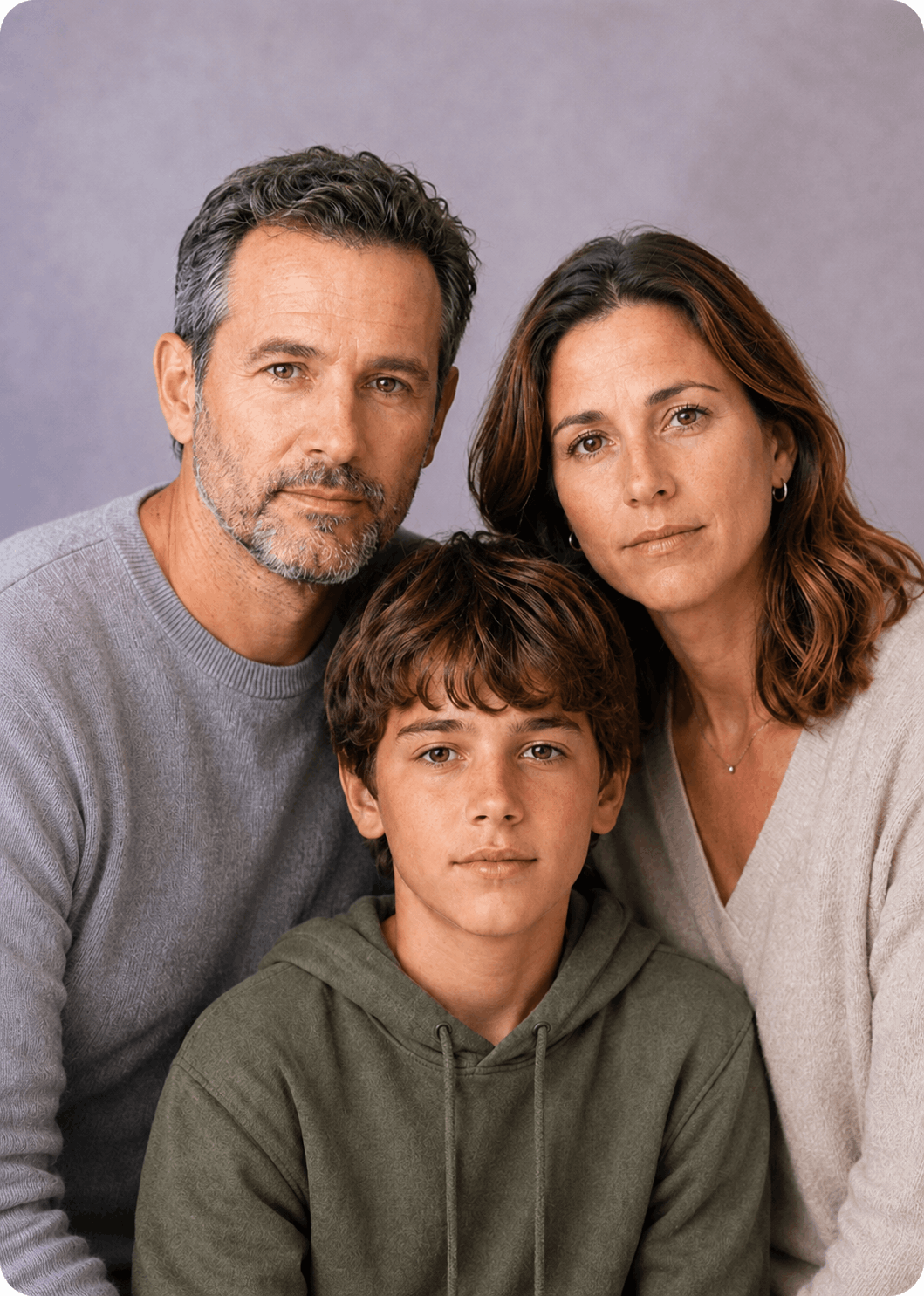
Couples date, move in and marry, believing that they will stay together ‘until death us do part’. And yet so many don’t. Usually there is a ‘dumper’ and a ‘dumpee,’ and they each have very different stories. The dumper has been thinking about leaving the relationship for a long time and eventually pulls the ripcord and jumps. The dumpee is often oblivious to the trouble in their relationship and is taken off guard like a deer in the headlights when their partner tells them they want a separation. At The Story Isn’t Over we have therapists who can help you navigate the complexity of a separation, and reduce the painful emotions experienced during this process.

Sexual Orientation & Gender Identity
Sexual orientation and gender identity are not the same thing—they are distinct aspects of being a person. Sexual orientation refers to your own emotional, romantic, and/or sexual attraction to men, women, or both. Gender identity is your understanding of yourself as male, female or a blend of both. Children have a sense of their gender from about ages 3–5 and develop a sexual orientation as they mature. There is no ‘normal’ sexual orientation or gender identity; they are a unique and natural part of who you are. People from the 2SLGBTQ+ community often experienced discrimination, prejudice and social isolation, this can take a toll on their mental and physical health. If you're struggling with your sexual orientation or gender identity, you can reach out to The Story Isn’t Over for support.

Social & Cultural Concerns
Culture is the complexity of our beliefs, values, and norms of behavior. Families and communities may be multi-cultural, or dominated by a specific culture, such as the Punjabi community, the Queer community, or Sikh community. Cultures are always changing and evolving. It can be hard for someone outside our culture to fully understand us. There is often conflict between different cultures and subcultures, such as the conflict between 1st and 2nd generation Indians, or between partners who come from different cultures. At The Story Isn’t Over we have therapists from different cultural backgrounds, who understand what you are going through, and can help you to negotiate the challenges you are facing.
Stress & Lifestyle Management
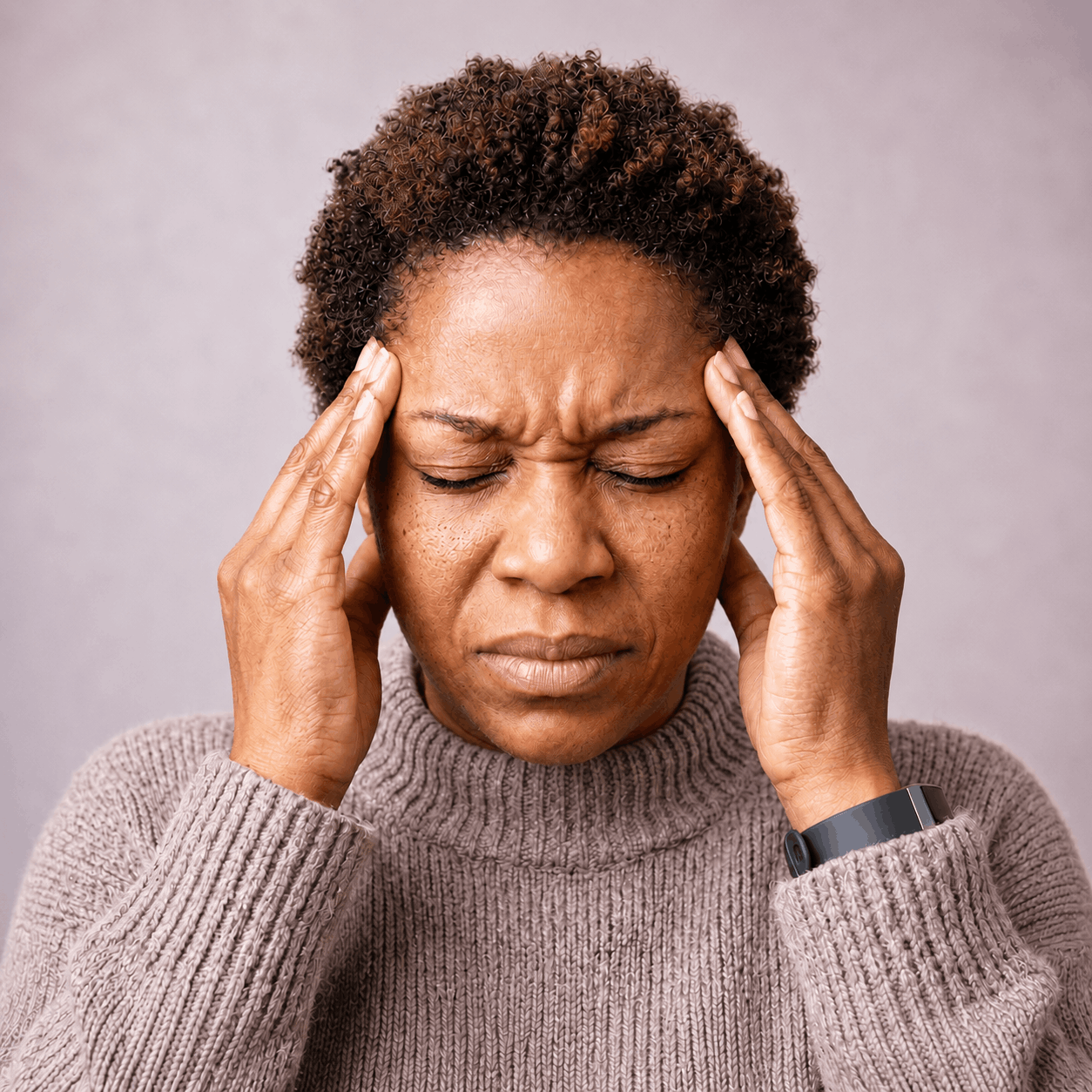
Short term stress can be good for us. It is the body’s ‘flight or fight’ response to danger; it motivates us to take action when we face significant challenges, such as needing to study for an exam, or prepare for an interview. Chronic stress occurs when the flight-or-fight response remains activated for a long time, such as when we are working in a toxic environment or caring for an elderly family member. Chronic stress takes a significant toll on our bodies and impacts our physical and mental health. At The Story Isn’t Over we have trained professionals who can work with you, to help you reduce your stress and increase your resiliency.

Trauma Abuse & PTSD
Trauma is a state of high arousal that occurs when a person is threatened or feels threatened. It also refers to the events that triggered the traumatic response. There are three different types of traumas. Acute trauma is a single event that is experienced as traumatic. Complex trauma refers to multiple traumatic events that occur during childhood. Chronic trauma refers to prolonged traumatic incidents that can occur at any age. Everyone responds to trauma differently, some may not appear to be affected, others may experience long term consequences as a result of trauma, including physical, behavioral, and psychological ill-health. PTSD develops following a traumatic event when the typical response to trauma persists and does not diminish over time. At The Story Isn’t Over we have therapists who specialize in trauma and can support your journey towards wellness.
