



30 Martha Street, Suite 303, Bolton, ON L7E 5V1

Proud ally and 2SLGBTQ+
Affirming care provider
Land Acknowledgement.

They’re not little anymore. You can’t swaddle and rock them or just pick them up and put them in the car seat. They get hangry and cranky, get mad, and don’t listen. Or maybe they just seem sad and lonely — struggling to make friends, anxious about going to school. Sometimes there’s an obvious reason: changes at home, a new baby, or you’re struggling in your relationship, and they’re picking up on it. Sometimes there isn’t.
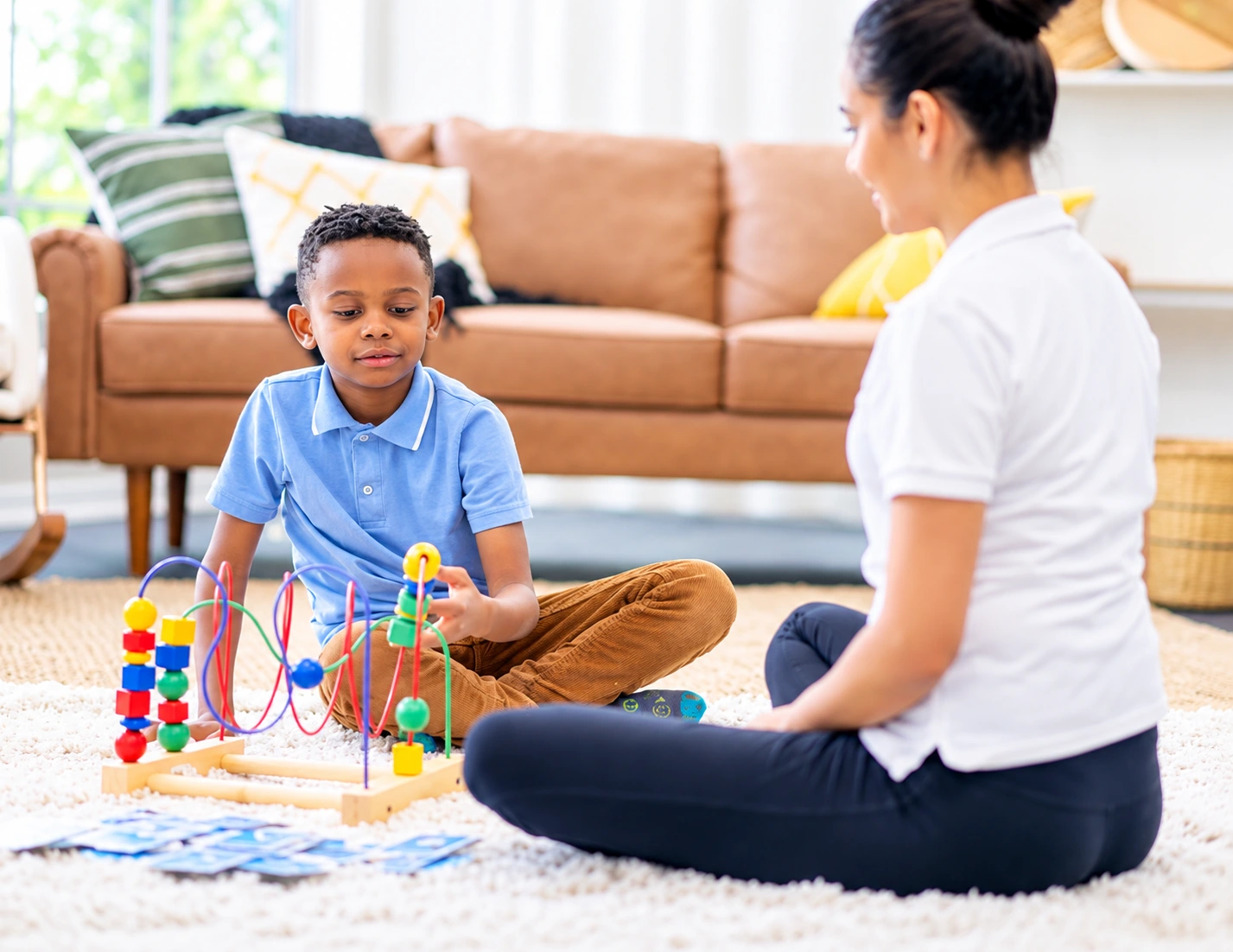
Children’s therapy is where little people from age 3 get to talk about big feelings with someone who understands and can help. They can paint, play, or bang on drums. Along the way they get to know their own emotions, learn to express them and settle them, and build confidence.
If you’re not sure where to start, tell us about your child and we'll help you figure out the best way forward.
If that doesn’t sound like your child, that's fine too — that's what the first conversation is for.
We’ve cut the endless scrolling and guessing. Three steps and you’re talking to someone who fits.
Rachel knows every therapist on our team. Tell her your child’s age and a little about what you’re looking for, and she’ll suggest who would be a good fit and book your first session with them. The call is free. You won’t need to go through the whole story with her; that’s what your first session with the therapist is for.
If you’ve been noticing something for a while and telling yourself it’ll pass, maybe this is it. We’d love to meet you.
— Rachel, The Story Isn’t Over


Underneath the meltdowns, the not listening, and the tears at the school gate is a child trying to say something they don’t have the words for yet. Children show how they feel through play, drawing, and music more easily than through talking. That’s why we offer art therapy and music therapy, and why child therapy looks a lot like play.
Then they work on what to do differently. How to name a feeling, how to calm down when it gets too big, how to ask for help before things boil over. Things they can use at home and at school, not just in session.

Working with children requires additional training, supervision, and lots of time with kids. These are the people on our team who offer child therapy, including art therapists and music therapists.







We see children from age 3. With the youngest ones, much of the work happens through play, art, and music, with you closely involved. If your child is a teenager, our teen therapy page may be a better fit, though many of our child therapists work with older kids too. If you’re not sure which is right, Rachel can help you decide.
Therapy starts with a full, paid 50-minute session for you, the parent or caregiver, with the therapist your child will see, without your child. You’ll talk about what’s been happening, what you’re hoping for, and how therapy will work, including consent and your child’s privacy. Your child’s first session is booked after that.
With some of our therapists, yes. They offer a free 15-minute consult so you can ask questions and see whether they feel like a good fit. It’s a short conversation, not a therapy session, so the therapist won’t go into your child’s story in detail. If you’d like to go ahead, the next step is a full 50-minute session with you, the parent or caregiver.
You have a right to know how your child’s therapy is going, and there are many ways for you to be involved. Before your child starts, you and the therapist agree on what you’ll be told, how, and how often. Your child is part of that conversation too, so nothing comes as a surprise to anyone.
If you and your child’s other parent live apart, the therapist will usually need consent from both of you. They’ll talk with you in the first session about how to involve the other parent. If that’s difficult, tell them, and they’ll explain the options.
Keep it simple and true. You might say they’re going to meet someone who talks to kids about their feelings, and that there’s a room with art supplies, instruments, and toys. Let them know it isn’t a punishment and they’re not in trouble. Your therapist can suggest words that suit your child’s age.
They’re different ways into the same thing: helping a child express what they can’t yet put into words. Art therapy uses drawing, painting, and making. Music therapy uses instruments, rhythm, and song. Play-based therapy uses toys, games, and stories. In practice, they overlap. Our art therapists and music therapists may also use play, and sometimes a music therapy session may include art, just as an art therapy session may include music.
No. We’re psychotherapists, so we don’t provide assessments or diagnoses; those come from a psychologist or a physician. What we do is work with your child on what’s hard day to day (big feelings, friendships, school) and with you on what helps at home. Your child doesn’t need a diagnosis to start, and if you’re on a waitlist for an assessment, you don’t have to wait to get support.
For some children, yes. For young children we recommend coming in person, because so much of the work uses the room: the instruments, the art supplies, the toys. Online child therapy is available anywhere in Ontario when your child is a little older, and it works better for your family. Your therapist will talk to you about what is likely to suit your child.
Many extended health plans cover psychotherapy, but it depends on your plan and on your therapist’s designation, so check which providers yours includes. We bill most major insurers directly. A 50-minute session is $150 to $180, depending on the therapist.
Take the 2-minute quiz and we’ll match you with a child therapist who fits your child, your family, your story.