What’s the Difference Between Talking to a Friend and Talking to a Therapist?

Feb 9, 2025

When life gets difficult many of us instinctively turn to a trusted friend or family member for support. It's comforting to have someone who knows us, cares about us, and can lend an ear when we need to vent. And often that is enough, we don’t need to talk to anyone else. But sometimes, we need more support than our friend is able to provide, and we need someone with additional training and experience to help us cope with the difficulties we are facing. That’s when you may want to talk to a therapist.

Read More

Our Most Popular Read

How long do I need to stay in therapy?
By
Trish
|
June 9, 2026

How long do I need to stay in therapy?

Lorem ipsum dolor sit amet, consectetur adipiscing elit. Suspendisse varius enim in eros elementum tristique. Duis cursus, mi quis viverra ornare, eros dolor interdum nulla, ut commodo diam libero vitae erat. Aenean faucibus nibh et justo cursus id rutrum lorem imperdiet. Nunc ut sem vitae risus tristique posuere.

Read More

Our Recent Posts

Thank you! Your submission has been received!
Oops! Something went wrong while submitting the form.
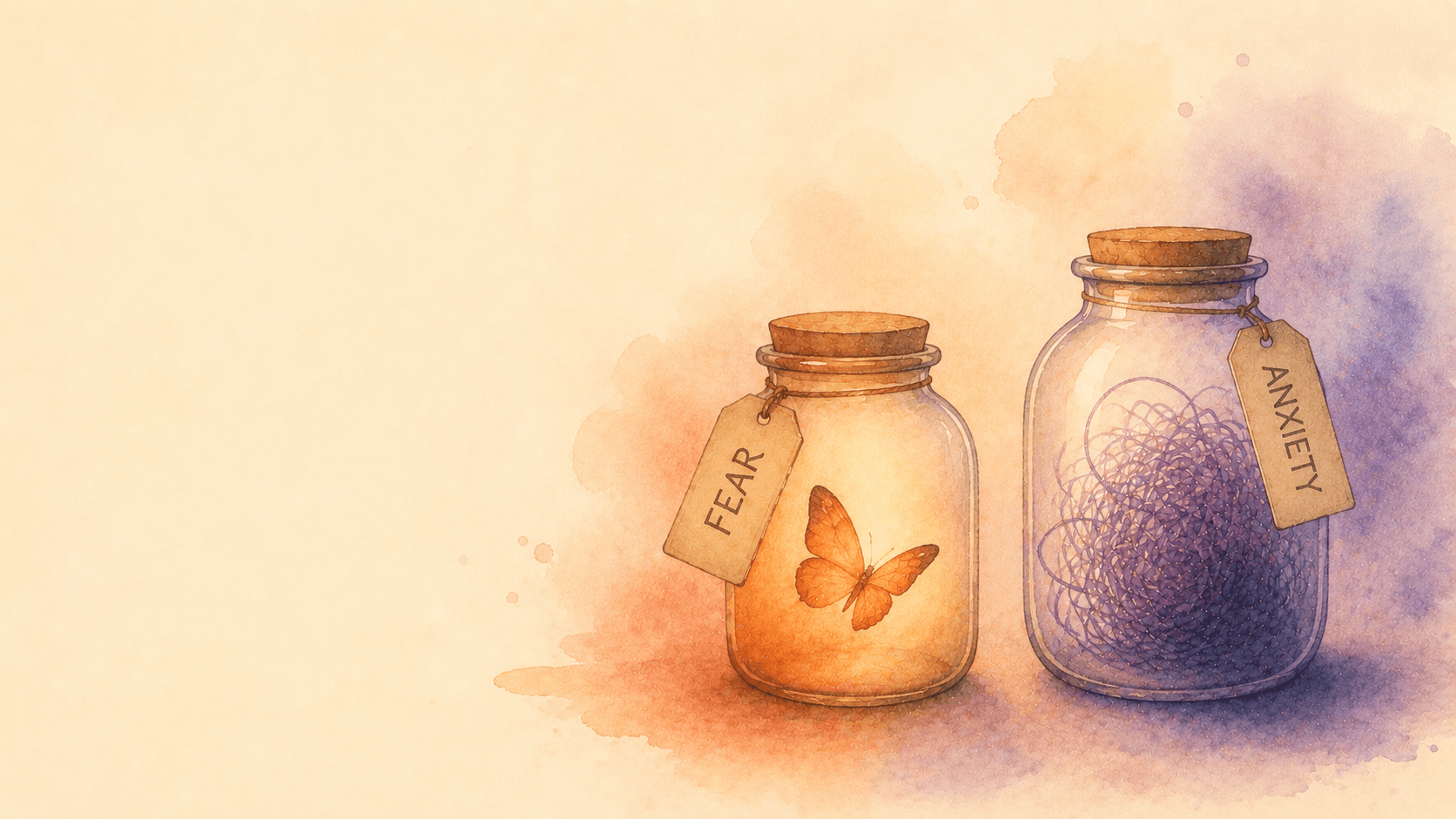
Understanding Fear and Anxiety: How to Tell the Difference
By
TSIO
|
June 8, 2026

Understanding Fear and Anxiety: How to Tell the Difference

It’s easy to use the words “fear” and “anxiety” as if they mean the same thing, but they’re actually quite different. Fear is a natural and healthy response to danger—it kicks your body into action to keep you alive. Anxiety, on the other hand, is a more complex emotional experience that can either stop you from taking the actions you need or push you to act in ways that aren’t helpful.
Read more
Low Self-Esteem in Adolescents: Understanding the Impact and Building Confidence
By
Trish
|
June 8, 2026

Low Self-Esteem in Adolescents: Understanding the Impact and Building Confidence

Adolescence is a time of rapid change, discovery, and growth—but it can also be a period of vulnerability, especially when it comes to how teens view themselves. Low self-esteem, the negative appraisal of one's worth or abilities, is more than just a fleeting phase. For many teenagers, it's a persistent challenge that can affect nearly every aspect of life, from friendships to academic performance and long-term mental health.In this blog, we’ll explore the causes, consequences, and potential solutions to low self-esteem in teenagers, drawing on research from large-scale studies to help parents, educators, and mental health professionals understand the risks—and what can be done to help.‍
Read more
The Role of Schools in Adolescent Mental Health
By
Trish
|
June 8, 2026

The Role of Schools in Adolescent Mental Health

Adolescence is a defining period in a person’s life, a time of learning, growth, and the inevitable challenges that come with discovering oneself. Yet, for many young people, the school environment, which should nurture their potential, becomes a battleground for mental health. Schools hold a unique position in adolescent development—not just as places of education but as crucial touchpoints for emotional and psychological support.The mental health challenges faced by adolescents today are daunting. Anxiety, depression, and behavioral disorders are increasingly common, affecting the ability of students to learn, socialize, and enjoy their formative years. Schools are more than just academic institutions; they are the primary social spaces for most adolescents. This places them in a position to either exacerbate mental health struggles or act as a lifeline for young people in need. For schools to fulfill this vital role, they must prioritize mental health as much as they do academic success.
Read more
Building Resilience in Adolescents: The Key to Mental Health
By
Trish
|
June 8, 2026

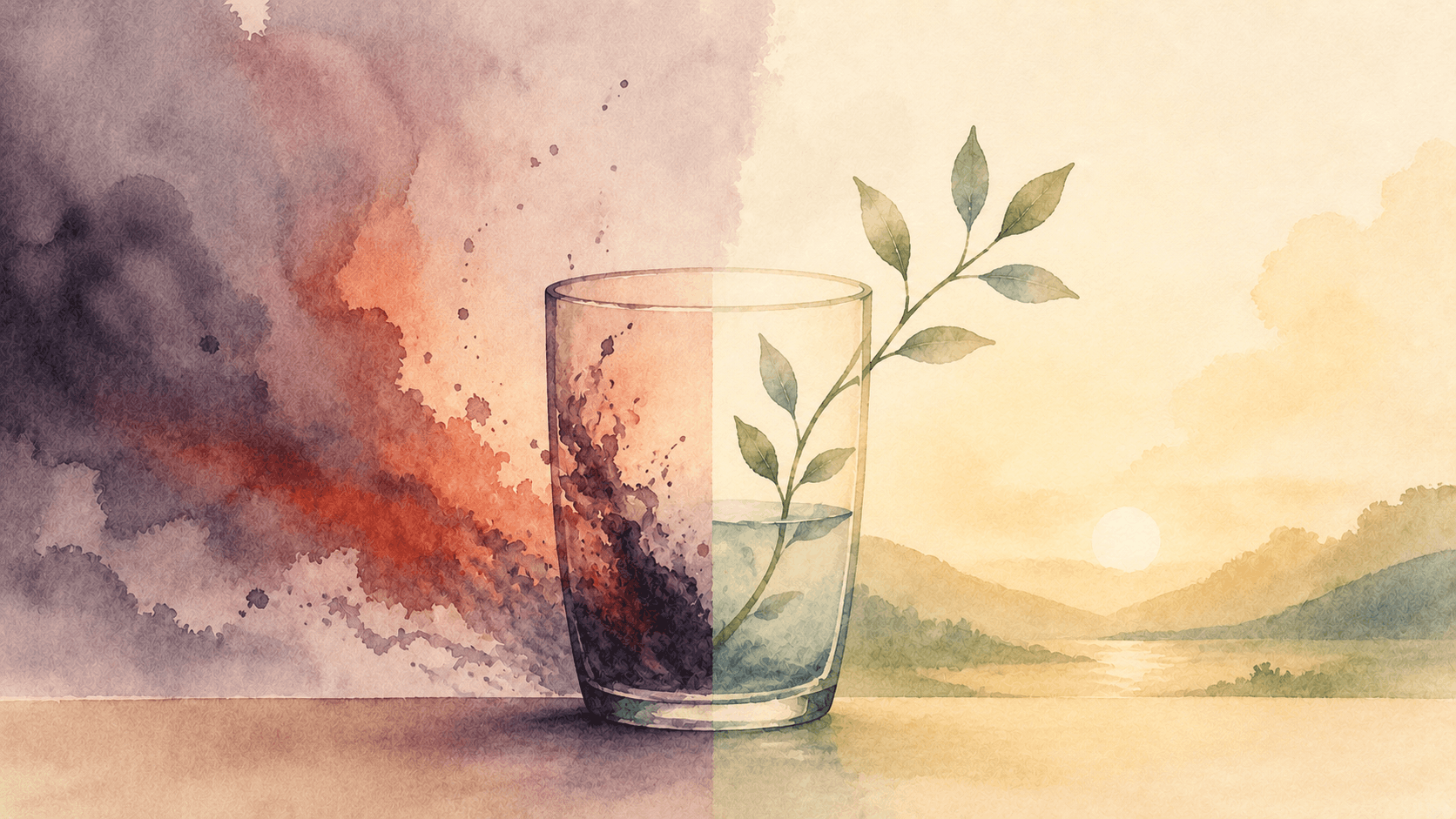
Building Resilience in Adolescents: The Key to Mental Health

Adolescence is a whirlwind of changes. From the rapid physical transformations of puberty to the emotional rollercoasters of first crushes and peer pressure, it is a period that demands constant adaptation. Amid these challenges, resilience—the ability to recover from setbacks and persevere in the face of adversity—emerges as one of the most critical factors in adolescent mental health.Resilience is not about avoiding difficulties or pretending life is perfect. Instead, it is the capacity to face challenges, learn from them, and come out stronger on the other side. For adolescents, resilience can mean maintaining self-esteem after a failure, reaching out for help when overwhelmed, or bouncing back from a conflict with a friend. These skills are not innate but developed through a combination of personal effort, supportive relationships, and a nurturing environment.‍
Read more
Understanding the Connection Between Alcohol and Anger
By
Trish
|
June 8, 2026

Understanding the Connection Between Alcohol and Anger

Anger is a complex emotion. For many, it surfaces rarely. But for others, especially in the presence of alcohol, it can become explosive, frightening, and deeply confusing. If you've ever found yourself feeling consumed by rage after drinking, you're far from alone. Alcohol doesn’t create anger—but it amplifies and distorts it. And understanding why that happens is the first step toward healing, safety, and growth.In this article, we’ll explore the psychological and physiological connection between alcohol and anger, unpack the science behind emotional regulation, and offer actionable steps to manage both your emotions and drinking habits. Whether you’re personally impacted or trying to support someone else, this is your guide to clarity and change.
Read more

Not sure what you are suffering from?

Take a short quiz to find your perfect therapist.

Take the Quiz

Not sure where to begin? Take the quiz.

We’ll figure it out together.

Take the Quiz