What’s the Difference Between Talking to a Friend and Talking to a Therapist?
Feb 9, 2025
When life gets difficult many of us instinctively turn to a trusted friend or family member for support. It's comforting to have someone who knows us, cares about us, and can lend an ear when we need to vent. And often that is enough, we don’t need to talk to anyone else. But sometimes, we need more support than our friend is able to provide, and we need someone with additional training and experience to help us cope with the difficulties we are facing. That’s when you may want to talk to a therapist.
Lorem ipsum dolor sit amet, consectetur adipiscing elit. Suspendisse varius enim in eros elementum tristique. Duis cursus, mi quis viverra ornare, eros dolor interdum nulla, ut commodo diam libero vitae erat. Aenean faucibus nibh et justo cursus id rutrum lorem imperdiet. Nunc ut sem vitae risus tristique posuere.
Oops! Something went wrong while submitting the form.
By
Trish
|
June 8, 2026
Understanding Substance-Induced Mood Disorders
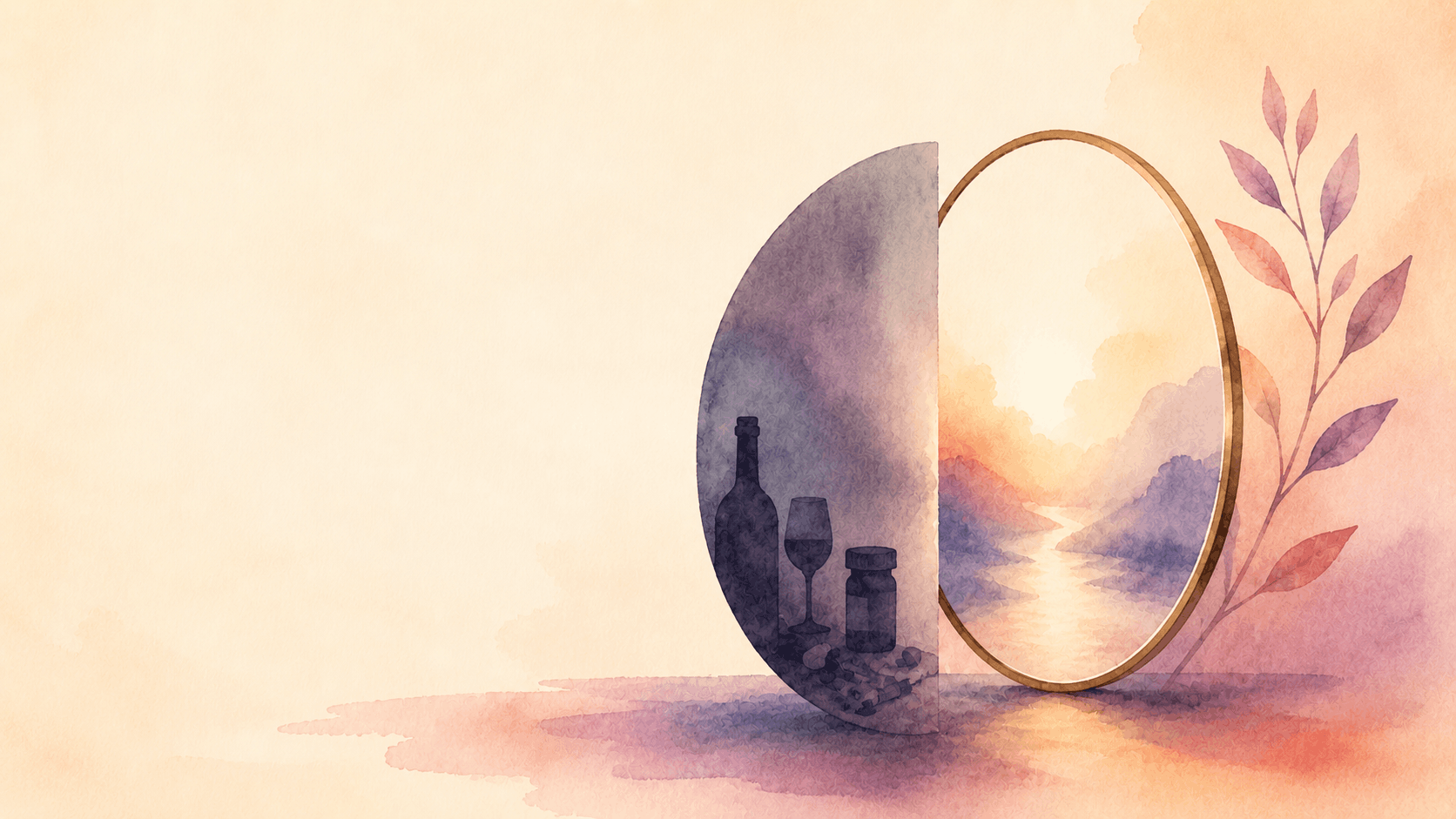
Substance-induced mood disorders are a serious and often misunderstood category of mental health conditions. They represent the intersection between mood disturbance and substance use—whether from prescription medications, recreational drugs, or alcohol. These disorders don’t arise in isolation. Instead, they are triggered by the presence (or absence) of a chemical substance that directly alters brain chemistry and emotional regulation.People experiencing substance-induced mood disorders may feel depressed, irritable, overly energetic, or unstable, often without understanding why. The symptoms may appear during active use, shortly after intoxication, or during withdrawal. Unlike primary mood disorders, which originate independently, substance-induced disorders are directly linked to external substances and may subside once the substance is eliminated. But in the moment, the suffering is real—and can be severe.Let’s unpack what these disorders look like, what causes them, how to identify them, and how they can be treated effectively.
Understanding Depression: A Journey Toward Healing and Hope
Depression is more than just a fleeting moment of sadness or a rough day—it’s a profound, often overwhelming condition that touches every aspect of life. It can feel like an unwelcome guest that lingers, casting a shadow over your thoughts, emotions, and daily routines. Yet, even in its heaviest moments, there is hope. You are not alone, and depression does not define your story. At The Story Isn’t Over, we’re here to guide you toward healing, resilience, and rediscovery of joy.This article explores what depression is, why it happens, how it affects you, and the steps you can take to find relief. With compassion, evidence-based insights, and practical strategies, we aim to empower you on your journey.
Just How Risky Is Drinking More Than Canada’s New Alcohol Guidelines Advise?
Imagine sitting down at your favourite restaurant, scanning the menu for a drink to accompany your meal. You’ve had a long week, and the thought of a glass of wine feels like a well-earned treat. But then, a voice in your head reminds you of Canada’s new alcohol guidelines: just two drinks a week—and no amount is truly considered safe. Suddenly, your usual order doesn’t feel so harmless.Canada’s updated alcohol guidelines, published in 2023 by the Canadian Centre on Substance Use and Addiction (CCSA), have generated national debate. A massive reduction from the previous limits, these new recommendations reflect a significant shift in how public health experts want us to think about alcohol. But what do they really mean for your day-to-day life? Are they realistic? Are they necessary?In this post, we’ll unpack the science, the cultural context, the controversy—and most importantly—what it means for you.
How Do I Know if I’m Addicted to Drugs or Alcohol?
Addiction can creep in quietly. It doesn’t always announce itself with a dramatic crisis. For many, the signs are subtle at first—an extra drink here, a missed obligation there—until one day you realize that what once felt like a choice now feels like a need. Whether you’re questioning your habits or deeply concerned, this guide will help you reflect honestly and compassionately on your relationship with substances.This isn’t about labelling yourself or feeling shame. It’s about awareness, clarity, and reclaiming control over your life.
Depression is often described as persistent sadness, hopelessness, fatigue, and disinterest in daily life. But here’s the problem: those symptoms aren’t exclusive to depression. There are multiple physical and psychological conditions that can look like depression but require completely different treatment approaches.Misdiagnosing depression not only delays effective care—it can compound suffering. So let’s break down eight conditions that often get confused with depression, how to spot the difference, and what you can do about it.