30 Martha Street, Suite 303, Bolton, ON L7E 5V1

Proud ally and 2SLGBTQ+
Affirming care provider
Land Acknowledgement.
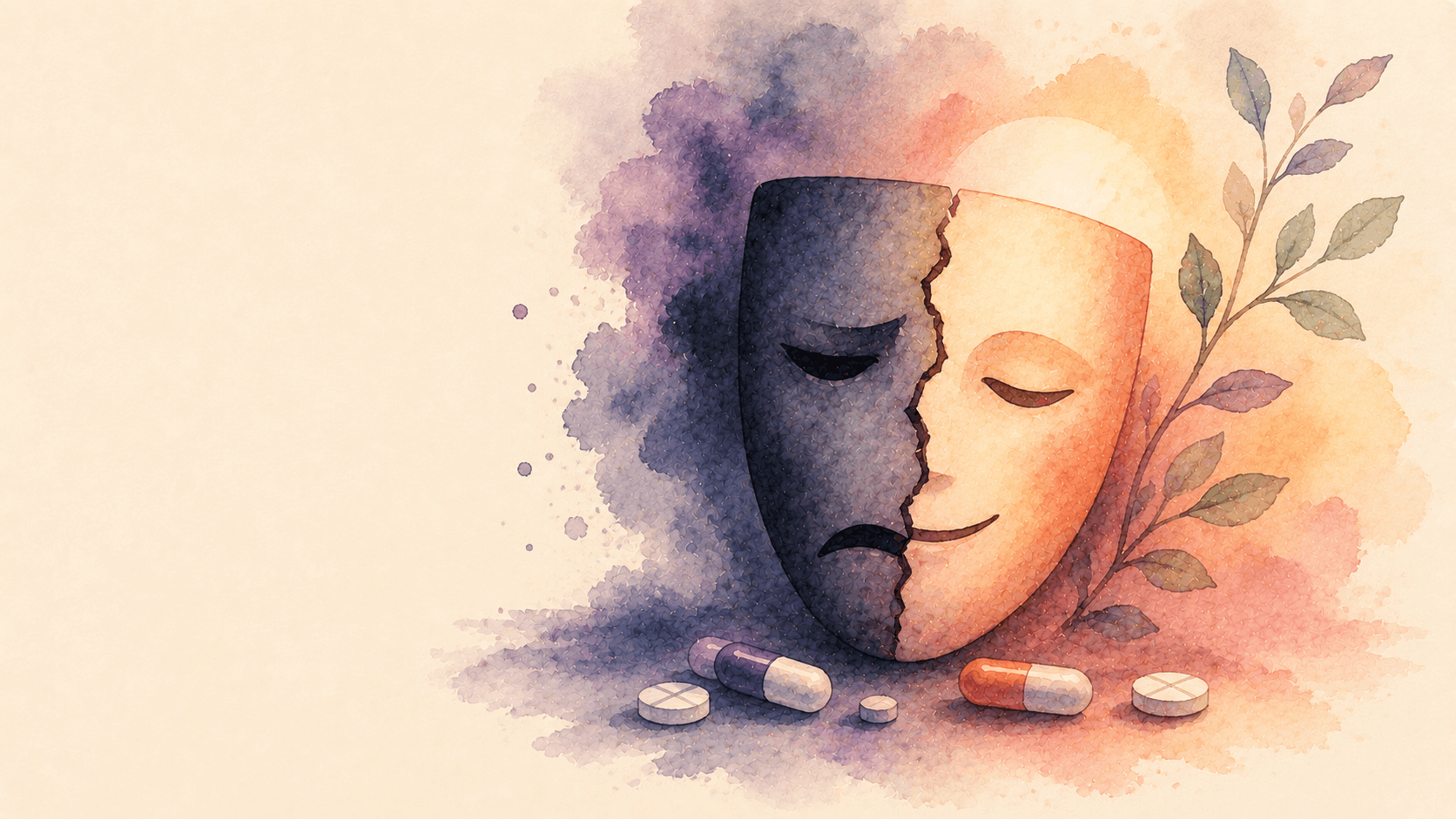
Substance-induced mood disorders are a serious and often misunderstood category of mental health conditions. They represent the intersection between mood disturbance and substance use—whether from prescription medications, recreational drugs, or alcohol. These disorders don’t arise in isolation. Instead, they are triggered by the presence (or absence) of a chemical substance that directly alters brain chemistry and emotional regulation.
People experiencing substance-induced mood disorders may feel depressed, irritable, overly energetic, or unstable, often without understanding why. The symptoms may appear during active use, shortly after intoxication, or during withdrawal. Unlike primary mood disorders, which originate independently, substance-induced disorders are directly linked to external substances and may subside once the substance is eliminated. But in the moment, the suffering is real—and can be severe.
Let’s unpack what these disorders look like, what causes them, how to identify them, and how they can be treated effectively.
Substance-induced mood disorders are emotional conditions—like depression or mania—that arise directly due to the physiological effects of drugs, alcohol, or even certain prescribed medications. These are not mood disorders that “just happen to involve” substance use. They are caused by the substance itself.
Surprisingly, even medically necessary drugs can disrupt emotional balance. Here are a few examples:
These effects underscore the importance of monitoring mental health during long-term treatment plans.
What you can do: If you're noticing mood changes while on medication, speak with your doctor and request a mental health screening. At thestoryisntover.ca, we can help you navigate emotional responses to medical treatments through supportive therapy.
Ref: https://www.ncbi.nlm.nih.gov/pmc/articles/PMC6138408/
Video: Medications and Depression | Dr. Tracey Marks
Recreational drug use is one of the most well-known contributors to mood instability. Each substance interacts differently with the brain:
The brain's mood-regulating systems—serotonin, dopamine, norepinephrine—are directly impacted by these substances.
What you can do: If you're using recreational drugs and feel emotionally unstable, it's time for a compassionate conversation. We offer non-judgmental support at thestoryisntover.ca to help you explore safer ways to cope.
Ref: https://www.ncbi.nlm.nih.gov/pmc/articles/PMC6534343/
Video: How Drugs Affect the Brain | National Institute on Drug Abuse
These disorders can be deceptive because the symptoms mimic primary mood disorders. However, the timeline is key: symptoms usually follow substance use or withdrawal.
What you can do: Track your symptoms and note their relationship with substance use. Journaling can help establish patterns. We offer guided mental health evaluations at thestoryisntover.ca to help determine next steps.
Ref: https://www.ncbi.nlm.nih.gov/books/NBK546621/
Video: Substance-Induced Mood Disorders | MedCircle
There are three primary ways substance use can impact mood regulation:
Some substances produce temporary highs or mood shifts. Alcohol lowers inhibitions, creating a short-lived euphoria followed by irritability or sadness. Cocaine and methamphetamines may trigger euphoric or manic episodes.
As the substance leaves the system, the brain struggles to recalibrate. This period is marked by apathy, fatigue, and emotional instability. Stimulant and opioid withdrawals are notorious for depressive rebounds.
Long-term substance use can structurally alter brain function. Emotional flatness, apathy, and anhedonia (inability to feel pleasure) become chronic issues even after stopping the substance.
What you can do: Educate yourself about the neurobiological impacts of different substances. Our therapists at thestoryisntover.ca can guide you through this learning process and recovery planning.
Ref: https://www.ncbi.nlm.nih.gov/pmc/articles/PMC3371759/
Video: How Addiction Changes the Brain | SciShow
Diagnosing these disorders requires nuance. Clinicians must assess whether the symptoms are due to substance use or an underlying mental health condition.
What you can do: Be honest about your substance history with healthcare providers. Our team at thestoryisntover.ca provides safe spaces to explore your emotional history without fear or judgment.
Ref: https://www.ncbi.nlm.nih.gov/books/NBK557497/
What you can do: Start with a single step—talk to someone. Our team at thestoryisntover.ca is here to walk with you through recovery, not just treat symptoms.
Ref: https://www.ncbi.nlm.nih.gov/pmc/articles/PMC6769554/
Video: Recovery from Substance-Induced Mood Disorders | Mayo Clinic
Recovery is absolutely possible. Many people return to emotional stability after addressing the substance issue. The brain can heal—but it needs time, structure, and support.
What you can do: Healing doesn’t mean going it alone. Connect with our therapists at thestoryisntover.ca to create a custom recovery plan that supports your goals.
Ref: https://www.ncbi.nlm.nih.gov/pmc/articles/PMC3037573/
Preventing substance-induced mood disorders starts with education, community, and healthy coping tools.
What you can do: Don’t wait for a crisis. If you feel emotionally off and use substances to cope, reach out. We’re here to support you early—before things spiral.
Ref: https://www.ncbi.nlm.nih.gov/pmc/articles/PMC6893719/
Video: How to Prevent Addiction and Substance Misuse | TEDx
Substance-induced mood disorders reflect the deeply complex relationship between brain chemistry and external influences. Whether it stems from prescription medication, alcohol, or recreational drug use, the emotional toll can be overwhelming and isolating. Yet the good news is that these disorders are often treatable—and recovery is possible.
If you’re struggling to tell whether your mood changes are connected to your substance use, know that you’re not alone. You don’t have to navigate this by yourself. The first step is seeking clarity. The second is creating a support system that includes medical and therapeutic guidance.
What you can do:
At thestoryisntover.ca, our therapists specialize in helping people understand the roots of their emotional shifts. We collaborate with you to make sense of your experience and support your healing journey—free from shame, full of possibility.
Take the first step toward peace and clarity. Reach out today.
Ref: https://www.ncbi.nlm.nih.gov/pmc/articles/PMC5130916/
Substance-induced mood disorders are a serious and often misunderstood category of mental health conditions. They represent the intersection between mood disturbance and substance use—whether from prescription medications, recreational drugs, or alcohol. These disorders don’t arise in isolation. Instead, they are triggered by the presence (or absence) of a chemical substance that directly alters brain chemistry and emotional regulation.
People experiencing substance-induced mood disorders may feel depressed, irritable, overly energetic, or unstable, often without understanding why. The symptoms may appear during active use, shortly after intoxication, or during withdrawal. Unlike primary mood disorders, which originate independently, substance-induced disorders are directly linked to external substances and may subside once the substance is eliminated. But in the moment, the suffering is real—and can be severe.
Let’s unpack what these disorders look like, what causes them, how to identify them, and how they can be treated effectively.
Substance-induced mood disorders are emotional conditions—like depression or mania—that arise directly due to the physiological effects of drugs, alcohol, or even certain prescribed medications. These are not mood disorders that “just happen to involve” substance use. They are caused by the substance itself.
Surprisingly, even medically necessary drugs can disrupt emotional balance. Here are a few examples:
These effects underscore the importance of monitoring mental health during long-term treatment plans.
What you can do: If you're noticing mood changes while on medication, speak with your doctor and request a mental health screening. At thestoryisntover.ca, we can help you navigate emotional responses to medical treatments through supportive therapy.
Ref: https://www.ncbi.nlm.nih.gov/pmc/articles/PMC6138408/
Video: Medications and Depression | Dr. Tracey Marks
Recreational drug use is one of the most well-known contributors to mood instability. Each substance interacts differently with the brain:
The brain's mood-regulating systems—serotonin, dopamine, norepinephrine—are directly impacted by these substances.
What you can do: If you're using recreational drugs and feel emotionally unstable, it's time for a compassionate conversation. We offer non-judgmental support at thestoryisntover.ca to help you explore safer ways to cope.
Ref: https://www.ncbi.nlm.nih.gov/pmc/articles/PMC6534343/
Video: How Drugs Affect the Brain | National Institute on Drug Abuse
These disorders can be deceptive because the symptoms mimic primary mood disorders. However, the timeline is key: symptoms usually follow substance use or withdrawal.
What you can do: Track your symptoms and note their relationship with substance use. Journaling can help establish patterns. We offer guided mental health evaluations at thestoryisntover.ca to help determine next steps.
Ref: https://www.ncbi.nlm.nih.gov/books/NBK546621/
Video: Substance-Induced Mood Disorders | MedCircle
There are three primary ways substance use can impact mood regulation:
Some substances produce temporary highs or mood shifts. Alcohol lowers inhibitions, creating a short-lived euphoria followed by irritability or sadness. Cocaine and methamphetamines may trigger euphoric or manic episodes.
As the substance leaves the system, the brain struggles to recalibrate. This period is marked by apathy, fatigue, and emotional instability. Stimulant and opioid withdrawals are notorious for depressive rebounds.
Long-term substance use can structurally alter brain function. Emotional flatness, apathy, and anhedonia (inability to feel pleasure) become chronic issues even after stopping the substance.
What you can do: Educate yourself about the neurobiological impacts of different substances. Our therapists at thestoryisntover.ca can guide you through this learning process and recovery planning.
Ref: https://www.ncbi.nlm.nih.gov/pmc/articles/PMC3371759/
Video: How Addiction Changes the Brain | SciShow
Diagnosing these disorders requires nuance. Clinicians must assess whether the symptoms are due to substance use or an underlying mental health condition.
What you can do: Be honest about your substance history with healthcare providers. Our team at thestoryisntover.ca provides safe spaces to explore your emotional history without fear or judgment.
Ref: https://www.ncbi.nlm.nih.gov/books/NBK557497/
What you can do: Start with a single step—talk to someone. Our team at thestoryisntover.ca is here to walk with you through recovery, not just treat symptoms.
Ref: https://www.ncbi.nlm.nih.gov/pmc/articles/PMC6769554/
Video: Recovery from Substance-Induced Mood Disorders | Mayo Clinic
Recovery is absolutely possible. Many people return to emotional stability after addressing the substance issue. The brain can heal—but it needs time, structure, and support.
What you can do: Healing doesn’t mean going it alone. Connect with our therapists at thestoryisntover.ca to create a custom recovery plan that supports your goals.
Ref: https://www.ncbi.nlm.nih.gov/pmc/articles/PMC3037573/
Preventing substance-induced mood disorders starts with education, community, and healthy coping tools.
What you can do: Don’t wait for a crisis. If you feel emotionally off and use substances to cope, reach out. We’re here to support you early—before things spiral.
Ref: https://www.ncbi.nlm.nih.gov/pmc/articles/PMC6893719/
Video: How to Prevent Addiction and Substance Misuse | TEDx
Substance-induced mood disorders reflect the deeply complex relationship between brain chemistry and external influences. Whether it stems from prescription medication, alcohol, or recreational drug use, the emotional toll can be overwhelming and isolating. Yet the good news is that these disorders are often treatable—and recovery is possible.
If you’re struggling to tell whether your mood changes are connected to your substance use, know that you’re not alone. You don’t have to navigate this by yourself. The first step is seeking clarity. The second is creating a support system that includes medical and therapeutic guidance.
What you can do:
At thestoryisntover.ca, our therapists specialize in helping people understand the roots of their emotional shifts. We collaborate with you to make sense of your experience and support your healing journey—free from shame, full of possibility.
Take the first step toward peace and clarity. Reach out today.
Ref: https://www.ncbi.nlm.nih.gov/pmc/articles/PMC5130916/


We’ll figure it out together.