
30 Martha Street, Suite 303, Bolton, ON L7E 5V1

Proud ally and 2SLGBTQ+
Affirming care provider
Land Acknowledgement.
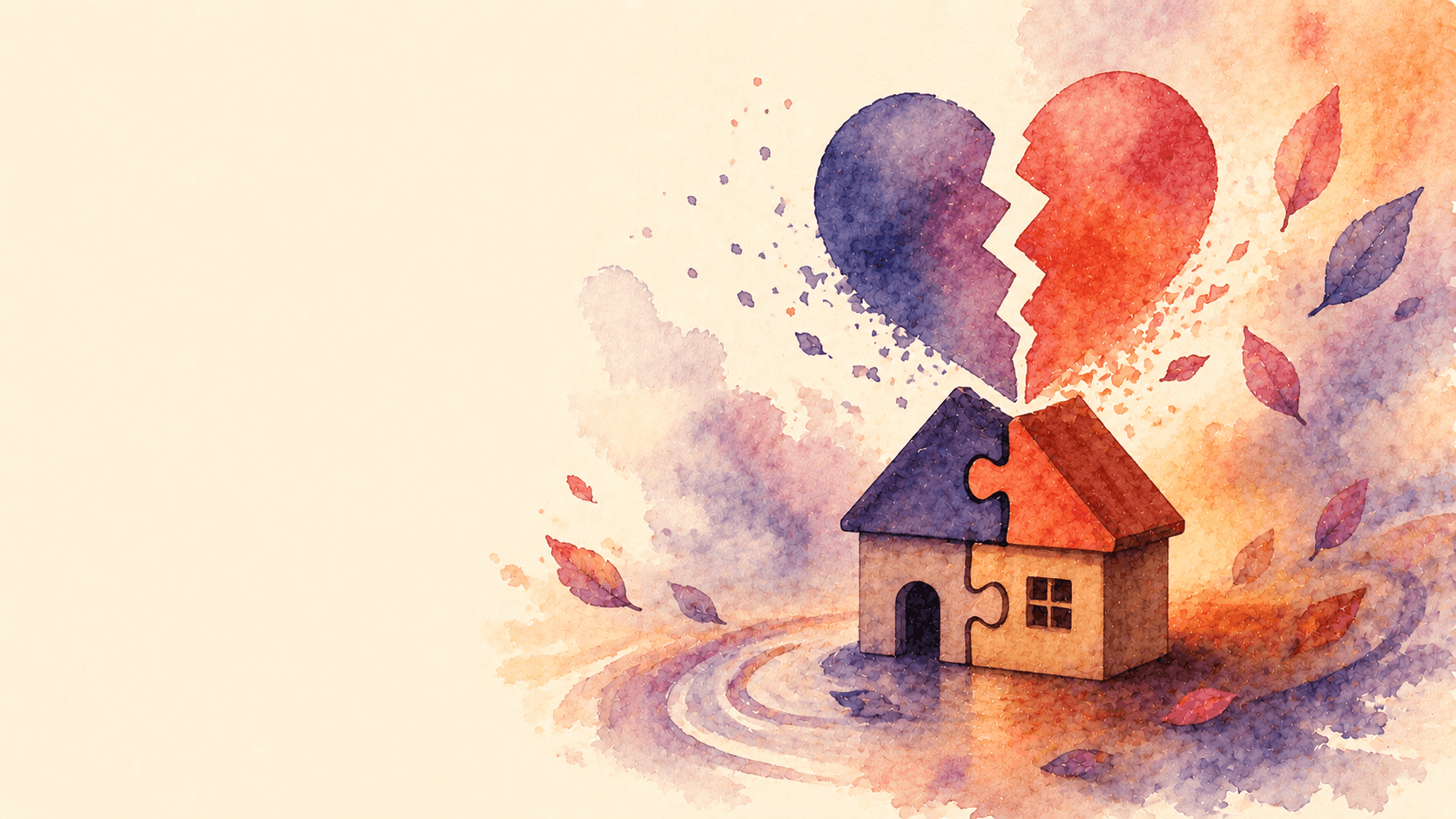
Divorce reshapes a family in profound ways, challenging the sense of stability and security that children rely on. For kids, the loss of their family unit—one of the pillars of love, structure, and routine—can feel overwhelming. Children experience this transition differently based on their age and developmental stage, with reactions that reflect their understanding of the world at that time. However, with thoughtful care and support, children can not only adapt to this change but also build resilience.
This guide combines insights into age-specific responses with broader reflections on the risks and opportunities divorce presents to children. It’s not just a narrative of what happens—it’s a roadmap for how parents can help their kids navigate these waters with compassion and hope.
Infants understand the world through their physical connection to caregivers. They thrive on consistent routines of feeding, cuddling, and sleeping. Divorce, with its disruptions to caregiving schedules or living arrangements, can unsettle their sense of security.
Toddlers are beginning to form strong attachments but lack the cognitive tools to understand temporary absences. The absence of one parent can feel like a permanent loss, triggering emotional and behavioral responses.
Preschoolers start to grasp that people can leave and not return, but they don’t fully understand why. Divorce can feel like a loss of control, leading to emotional and behavioral regression.
Children at this stage are more aware of relationships but often internalize conflict, wondering if they’re to blame for the divorce. They may also feel torn between parents.
Preteens are acutely aware of how their family dynamics compare to peers, which can lead to feelings of embarrassment or shame. They may also feel pressure to “choose sides” in the divorce.
Teenagers are naturally striving for independence, and divorce can amplify their desire to detach from family life. They may process the situation with a mix of emotional distance and deeper introspection.
Divorce disrupts routines and stability, two pillars of a child’s sense of safety. For younger children, this can lead to confusion and insecurity, while older children may struggle with feelings of loss and uncertainty about the future.
Children often feel torn between parents, especially when tension or conflict seeps into co-parenting. Negative comments about one parent or asking children to relay messages can deepen their distress.
Divorce can manifest in subtle ways—shifts in academic performance, behavioral challenges, or quiet emotional withdrawal. These changes reflect the energy children expend on navigating their new reality.
Divorce can cast long shadows, affecting children’s relationships and mental health well into adulthood. However, it’s not an inevitable blueprint for struggle. By addressing risks early and modeling resilience, parents can help their children rewrite this narrative.
Divorce is undeniably hard. It reshapes the way a family functions, creating a new normal that no child asked for. Yet, with care and intentionality, it can also be an opportunity to teach resilience, emotional intelligence, and adaptability.
Children are watching how you navigate this chapter. By prioritizing their emotional well-being, shielding them from unnecessary conflict, and modeling hope, you can help them see that while this is a challenging time, it’s not the end of their story. Together, you can turn pain into a foundation for strength and growth.
Divorce reshapes a family in profound ways, challenging the sense of stability and security that children rely on. For kids, the loss of their family unit—one of the pillars of love, structure, and routine—can feel overwhelming. Children experience this transition differently based on their age and developmental stage, with reactions that reflect their understanding of the world at that time. However, with thoughtful care and support, children can not only adapt to this change but also build resilience.
This guide combines insights into age-specific responses with broader reflections on the risks and opportunities divorce presents to children. It’s not just a narrative of what happens—it’s a roadmap for how parents can help their kids navigate these waters with compassion and hope.
Infants understand the world through their physical connection to caregivers. They thrive on consistent routines of feeding, cuddling, and sleeping. Divorce, with its disruptions to caregiving schedules or living arrangements, can unsettle their sense of security.
Toddlers are beginning to form strong attachments but lack the cognitive tools to understand temporary absences. The absence of one parent can feel like a permanent loss, triggering emotional and behavioral responses.
Preschoolers start to grasp that people can leave and not return, but they don’t fully understand why. Divorce can feel like a loss of control, leading to emotional and behavioral regression.
Children at this stage are more aware of relationships but often internalize conflict, wondering if they’re to blame for the divorce. They may also feel torn between parents.
Preteens are acutely aware of how their family dynamics compare to peers, which can lead to feelings of embarrassment or shame. They may also feel pressure to “choose sides” in the divorce.
Teenagers are naturally striving for independence, and divorce can amplify their desire to detach from family life. They may process the situation with a mix of emotional distance and deeper introspection.
Divorce disrupts routines and stability, two pillars of a child’s sense of safety. For younger children, this can lead to confusion and insecurity, while older children may struggle with feelings of loss and uncertainty about the future.
Children often feel torn between parents, especially when tension or conflict seeps into co-parenting. Negative comments about one parent or asking children to relay messages can deepen their distress.
Divorce can manifest in subtle ways—shifts in academic performance, behavioral challenges, or quiet emotional withdrawal. These changes reflect the energy children expend on navigating their new reality.
Divorce can cast long shadows, affecting children’s relationships and mental health well into adulthood. However, it’s not an inevitable blueprint for struggle. By addressing risks early and modeling resilience, parents can help their children rewrite this narrative.
Divorce is undeniably hard. It reshapes the way a family functions, creating a new normal that no child asked for. Yet, with care and intentionality, it can also be an opportunity to teach resilience, emotional intelligence, and adaptability.
Children are watching how you navigate this chapter. By prioritizing their emotional well-being, shielding them from unnecessary conflict, and modeling hope, you can help them see that while this is a challenging time, it’s not the end of their story. Together, you can turn pain into a foundation for strength and growth.



We’ll figure it out together.