
30 Martha Street, Suite 303, Bolton, ON L7E 5V1

Proud ally and 2SLGBTQ+
Affirming care provider
Land Acknowledgement.
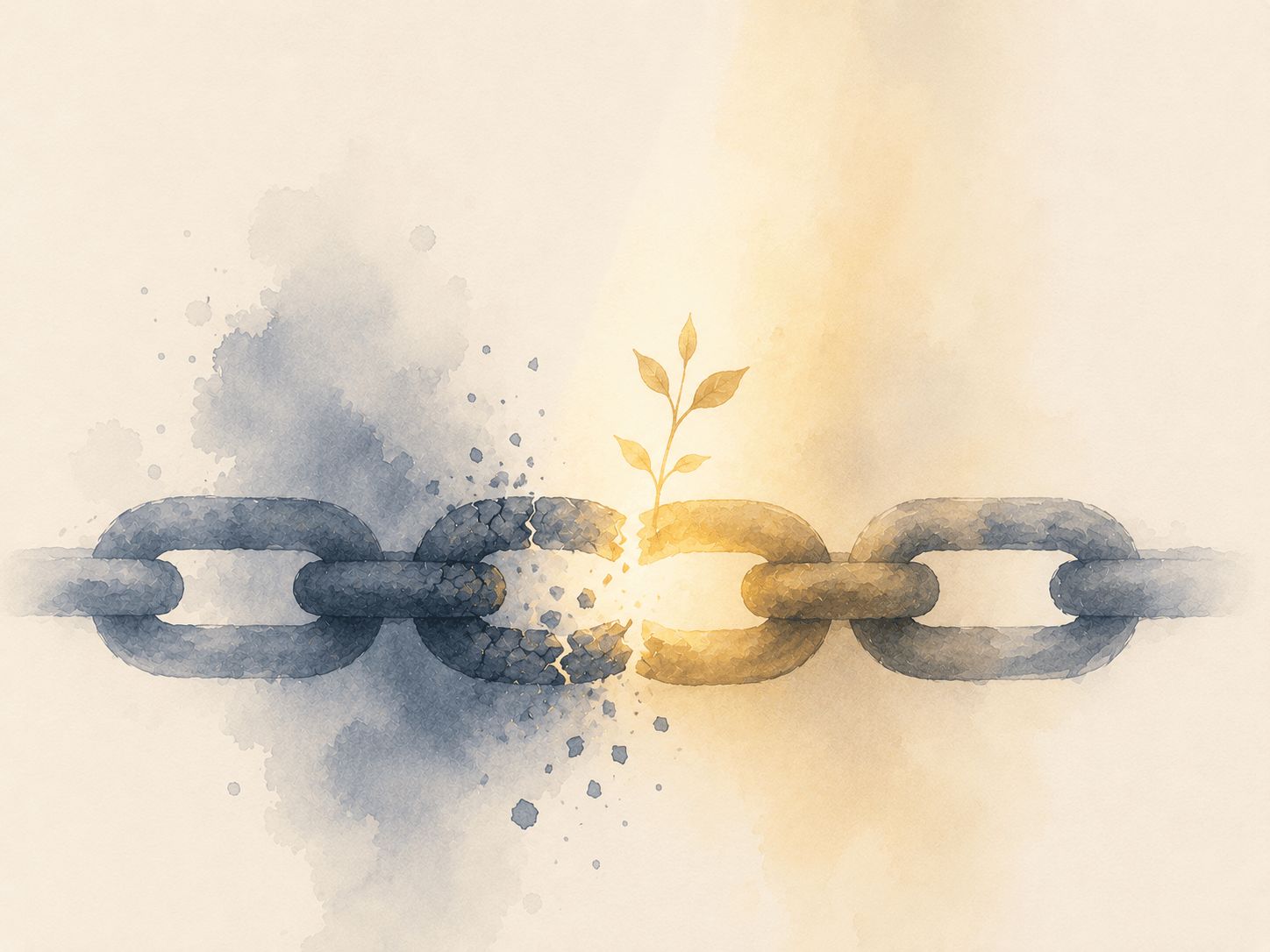
Chronic disease and depression often coexist, forming a challenging cycle that can significantly impact a person’s quality of life. This intricate relationship highlights the importance of addressing both physical and mental health as interconnected parts of overall well-being. By understanding how chronic illness and depression influence one another, we can foster better care and support for those navigating these dual challenges.
A chronic disease is more than just a medical condition—it’s a life-altering experience that often reshapes daily routines, relationships, and self-perception. These diseases persist for at least a year, often requiring consistent medical care and frequently limiting daily activities. Some common examples include:
Living with a chronic disease often requires an ongoing battle with physical symptoms, medical appointments, and lifestyle adjustments. While these challenges are daunting on their own, the emotional burden can amplify the struggle.
It’s not surprising that individuals with chronic illnesses are at a higher risk of developing depression. The physical and emotional toll of managing a long-term condition can feel overwhelming. Here are some key factors that contribute to this connection:
The relationship between chronic illness and depression isn’t just psychological. There’s a biological component as well, involving the body’s immune system.
One of the most fascinating links between chronic disease and depression lies in the immune system. Chronic illnesses often involve persistent inflammation, a state where the immune system remains activated for extended periods. Here’s how this impacts mental health:
This biological link underscores why depression in chronic illness is not “all in your head.” It’s a real, physiological response to the challenges the body is facing.
While chronic disease can lead to depression, the reverse is also true: depression can increase the risk of developing certain chronic illnesses. This relationship is driven by behavioral, biological, and systemic factors:
This cyclical relationship highlights the importance of recognizing and treating depression early—both to improve mental health and to safeguard physical health.
Depression doesn’t always look the same for everyone, and it can be particularly tricky to diagnose in someone with a chronic illness because of overlapping symptoms. Some red flags to watch for include:
If these symptoms persist for more than two weeks or interfere with daily functioning, it’s crucial to seek help.
Addressing depression and chronic illness together is essential for improving overall well-being. A holistic, integrated approach often works best. Here’s what treatment might involve:
Psychotherapy creates a safe, nonjudgmental space for self-discovery and healing. It’s not a “one-size-fits-all” solution—it’s a dynamic process that adapts to meet the evolving needs of the individual. Whether someone is grappling with depression, anxiety, trauma, or the emotional complexities of living with a chronic illness, psychotherapy offers a way to find clarity, resilience, and empowerment.
Ultimately, psychotherapy is about more than symptom management; it’s about building a deeper understanding of oneself and forging a path toward a more fulfilling and balanced life.
Living with both chronic illness and depression is undeniably challenging, but it’s not insurmountable. With the right support, treatment, and self-care strategies, many people find a way to manage their symptoms and reclaim a sense of normalcy.
If you or someone you know is struggling, remember: seeking help is a sign of strength, not weakness. You are not alone, and there are resources and professionals ready to guide you through this journey. By addressing both the physical and emotional aspects of chronic illness, it’s possible to build a life filled with resilience, hope, and joy.
Chronic disease and depression often coexist, forming a challenging cycle that can significantly impact a person’s quality of life. This intricate relationship highlights the importance of addressing both physical and mental health as interconnected parts of overall well-being. By understanding how chronic illness and depression influence one another, we can foster better care and support for those navigating these dual challenges.
A chronic disease is more than just a medical condition—it’s a life-altering experience that often reshapes daily routines, relationships, and self-perception. These diseases persist for at least a year, often requiring consistent medical care and frequently limiting daily activities. Some common examples include:
Living with a chronic disease often requires an ongoing battle with physical symptoms, medical appointments, and lifestyle adjustments. While these challenges are daunting on their own, the emotional burden can amplify the struggle.
It’s not surprising that individuals with chronic illnesses are at a higher risk of developing depression. The physical and emotional toll of managing a long-term condition can feel overwhelming. Here are some key factors that contribute to this connection:
The relationship between chronic illness and depression isn’t just psychological. There’s a biological component as well, involving the body’s immune system.
One of the most fascinating links between chronic disease and depression lies in the immune system. Chronic illnesses often involve persistent inflammation, a state where the immune system remains activated for extended periods. Here’s how this impacts mental health:
This biological link underscores why depression in chronic illness is not “all in your head.” It’s a real, physiological response to the challenges the body is facing.
While chronic disease can lead to depression, the reverse is also true: depression can increase the risk of developing certain chronic illnesses. This relationship is driven by behavioral, biological, and systemic factors:
This cyclical relationship highlights the importance of recognizing and treating depression early—both to improve mental health and to safeguard physical health.
Depression doesn’t always look the same for everyone, and it can be particularly tricky to diagnose in someone with a chronic illness because of overlapping symptoms. Some red flags to watch for include:
If these symptoms persist for more than two weeks or interfere with daily functioning, it’s crucial to seek help.
Addressing depression and chronic illness together is essential for improving overall well-being. A holistic, integrated approach often works best. Here’s what treatment might involve:
Psychotherapy creates a safe, nonjudgmental space for self-discovery and healing. It’s not a “one-size-fits-all” solution—it’s a dynamic process that adapts to meet the evolving needs of the individual. Whether someone is grappling with depression, anxiety, trauma, or the emotional complexities of living with a chronic illness, psychotherapy offers a way to find clarity, resilience, and empowerment.
Ultimately, psychotherapy is about more than symptom management; it’s about building a deeper understanding of oneself and forging a path toward a more fulfilling and balanced life.
Living with both chronic illness and depression is undeniably challenging, but it’s not insurmountable. With the right support, treatment, and self-care strategies, many people find a way to manage their symptoms and reclaim a sense of normalcy.
If you or someone you know is struggling, remember: seeking help is a sign of strength, not weakness. You are not alone, and there are resources and professionals ready to guide you through this journey. By addressing both the physical and emotional aspects of chronic illness, it’s possible to build a life filled with resilience, hope, and joy.



We’ll figure it out together.